Before the Beatles: Liverpool skiffle scene and the true Merseybeat origins
Bootle docks smelled of salt, rotting fish, and cheap tobacco in 1956. Young men gathered in cramped kitchens, clutching acoustic guitars and makeshift percussion. They ignored the polished pop charts in London. They craved the frantic, rhythmic scrape of a washboard. This raw heart of the Liverpool skiffle scene predates any mention of John Lennon or Paul McCartney.
A tea-chest bass thudded through the damp air of North Liverpool. Musicians pulled strings tight over wooden crates to create a hollow, thumping heartbeat. This cheap method made noise accessible to everyone. You did not need a Fender Stratocaster to join the movement. You only needed a sense of rhythm and a bit of grit. This primitive energy fueled the entire North West music scene long before the electric era arrived.
The Johnny Skiffle Group captured this unpolished tension on tape. They recorded at the local BBC studios in Liverpool during the mid-1950s. These sessions caught the exact moment when acoustic folk began to bleed into electric rock. You can hear the transition in the way the rhythm stays steady while the energy climbs. It sounds like a group of kids trying to outrun the end of the world.
Port Sunlight and Bootle felt the brunt of the Calypso and skiffle craze around 1956. This movement lacked politeness. It functioned as a loud, clattering, percussive riot. The sound relied on the scrape of metal against wood and the heavy thump of a bass string. It felt urgent because it grew from the scraps of everyday life.
The instruments of the Liverpool skiffle scene
Bootle residents lived with the sound of the tea-chest bass. This instrument provided the foundation for every local band. Musicians stuffed a single string through a cardboard tea crate. They played it with a heavy, driving force that rattled windowpan ebels in nearby terraced houses. It produced a low, muddy tone that lacked any refined melody but possessed immense physical presence.
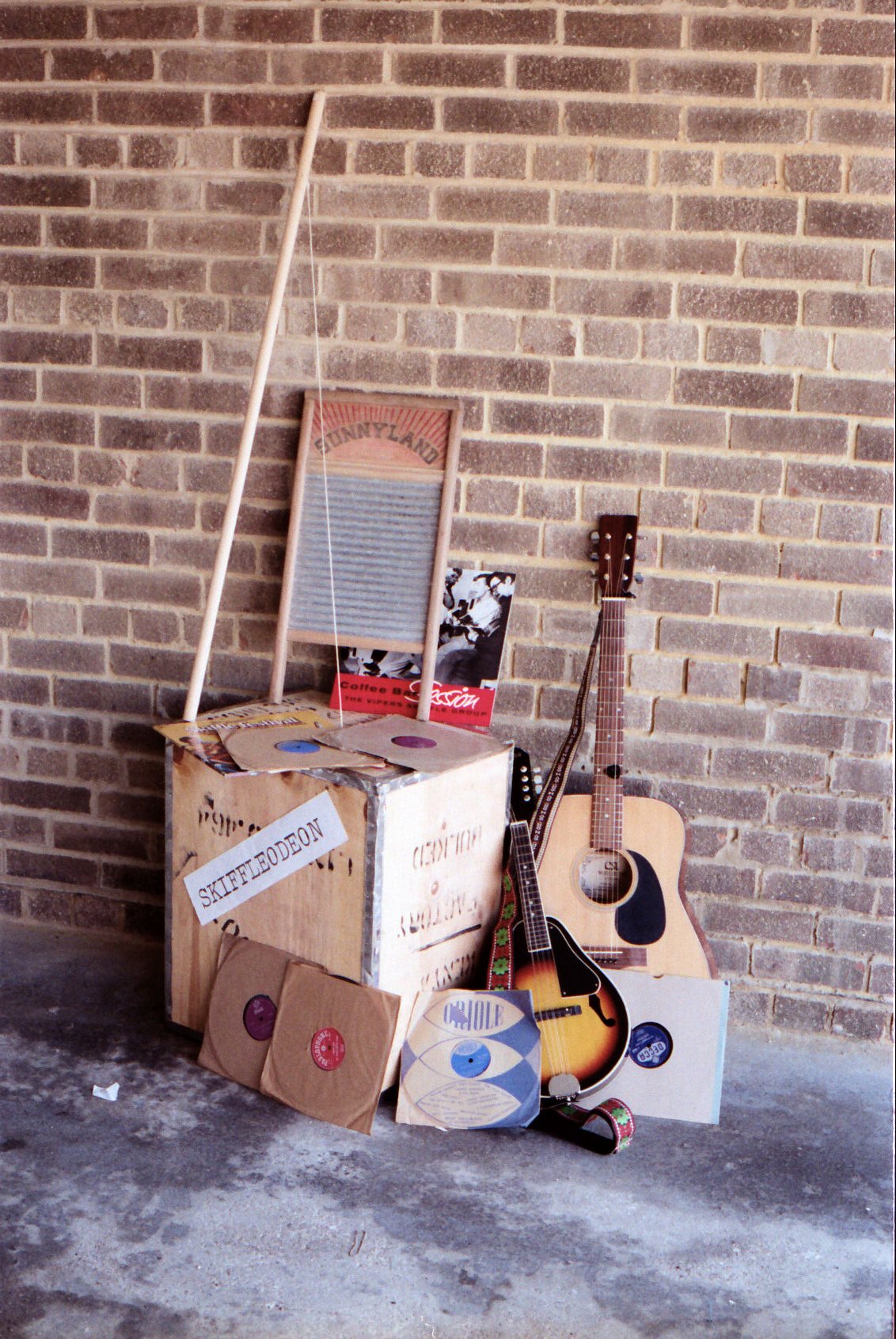
Washboard players scraped metal thimbles across zinc surfaces to create a sharp, metallic hiss. This sound cut through the murky bass frequencies. It acted as the snare drum of the era. Every group in the Liverpool skiffle scene used this texture to drive their tempo. The rhythm felt frantic and slightly dangerous. It sounded like a steam engine struggling to climb a steep grade.
The Johnny Skiffle Group embodied this gritty, percussive approach. Their BBC recordings reveal a group focused on the communal pulse of the music. They played with a frantic intensity that ignored the polished standards of the day. You hear the scrape, the thump, and the unrefined vocals of the era. This sound grew from necessity rather than professional training.
Local shops in the area rarely carried expensive instruments. Most players used whatever they could find in their parents' kitchens or basements. This lack of gear actually helped the music. It forced musicians to focus on rhythm and raw energy. The music stayed grounded in the physical reality of working-class Liverpool life.
The era relied on the primitive strength of the skiffle rhythm. This rhythm stayed consistent across the various groups playing in North Liverpool. It was a heavy, repetitive loop that demanded movement. Even without electric amplifiers, the sheer volume of the percussion made the music feel massive in small rooms. It was a loud, clattering, and visceral experience for everyone present.
1957: The Birth of the Cavern Club
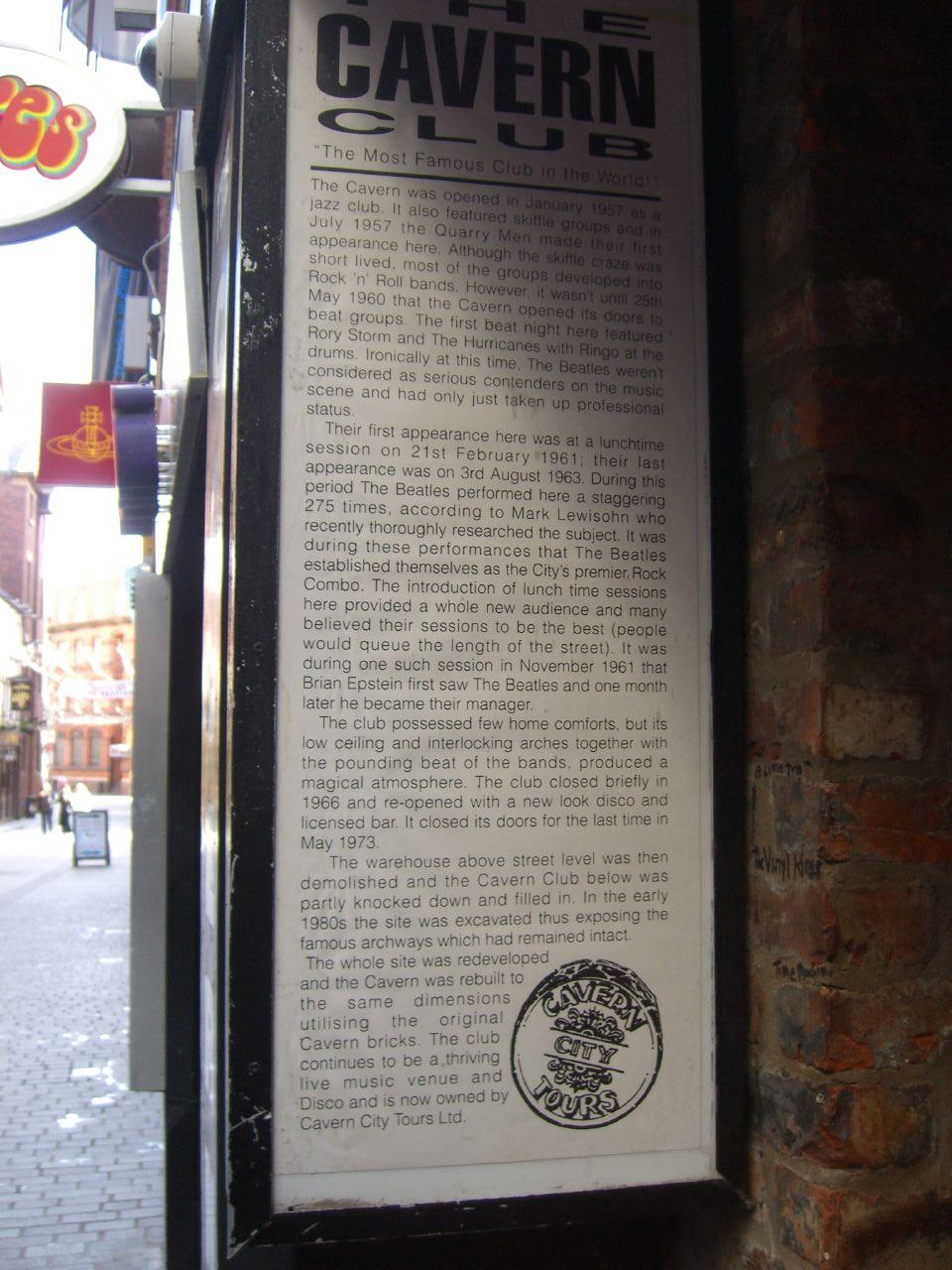
10 Mathew Street opened its doors on February 17, 1957. This date marks a moment far earlier than the famous 1962 Beatles era. The Cavern Club began as a place for local talent to find a stage. It was not yet the temple of rock and roll. It functioned as a basement venue that provided a home for the existing skiffle and beat groups.
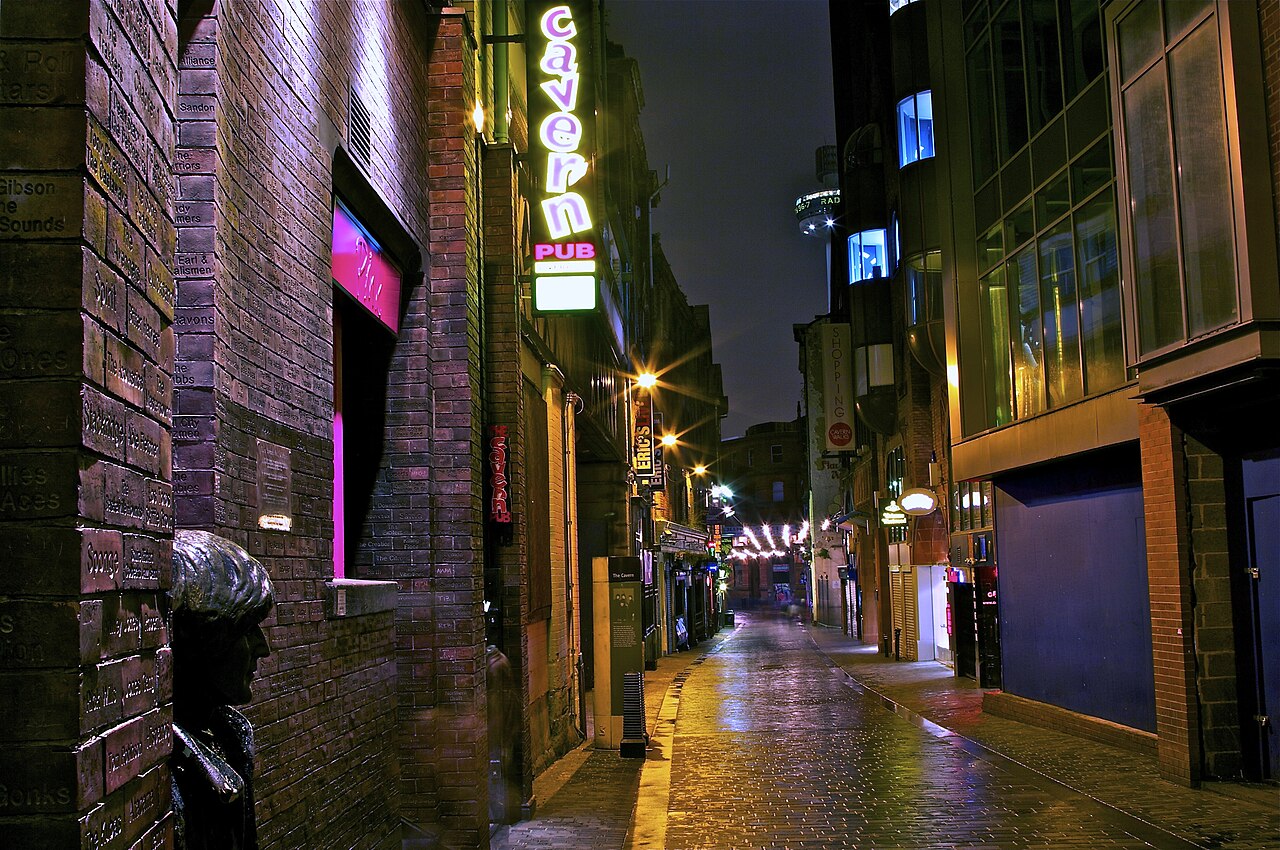
The air inside the club felt thick with sweat and cigarette smoke. Musicians played in cramped, low-ceilinged spaces that amplified every drum hit. The architecture of the basement helped trap the sound. It created a dense, muddy atmosphere that suited the heavy rhythms of the time. You could feel the vibration of the tea-chest bass in your very bones.
Early patrons came to hear the local skink skiffle groups play their sets. The venue offered a stage for the transition from acoustic to electric. It provided a sense of permanence to a scene that had previously relied on church halls and pubs. This professionalization of the club circuit changed everything for local musicians. It gave them a consistent place to hone their craft.
The Cavern provided a much more stable environment than the itinerant playing circuits. Bands could build a regular following in the same basement every week. This repetition allowed for the development of a specific, local style. The audience grew alongside the music. They became part of the club's very identity.
The club's early years focused on the energy of the crowd. The music did not need to be complex to be effective. It needed to be loud and rhythmic. The Cavern served as the primary laboratory for the sounds that would eventually conquer the world. It was a place of experimentation and raw, unadulterated noise.
From Woolton Church Halls to Electric Riffs
St. Peter's Church Hall in Woolton hosted the earliest iterations of the Liverpool music scene. This was the playground for The Quarrymen. Formed in 1956, this proto-Beatles group played for friends and neighbors in a much less professional setting. There were no managers or massive light shows here. There were only teenagers playing loud, unrefined music in a community space.
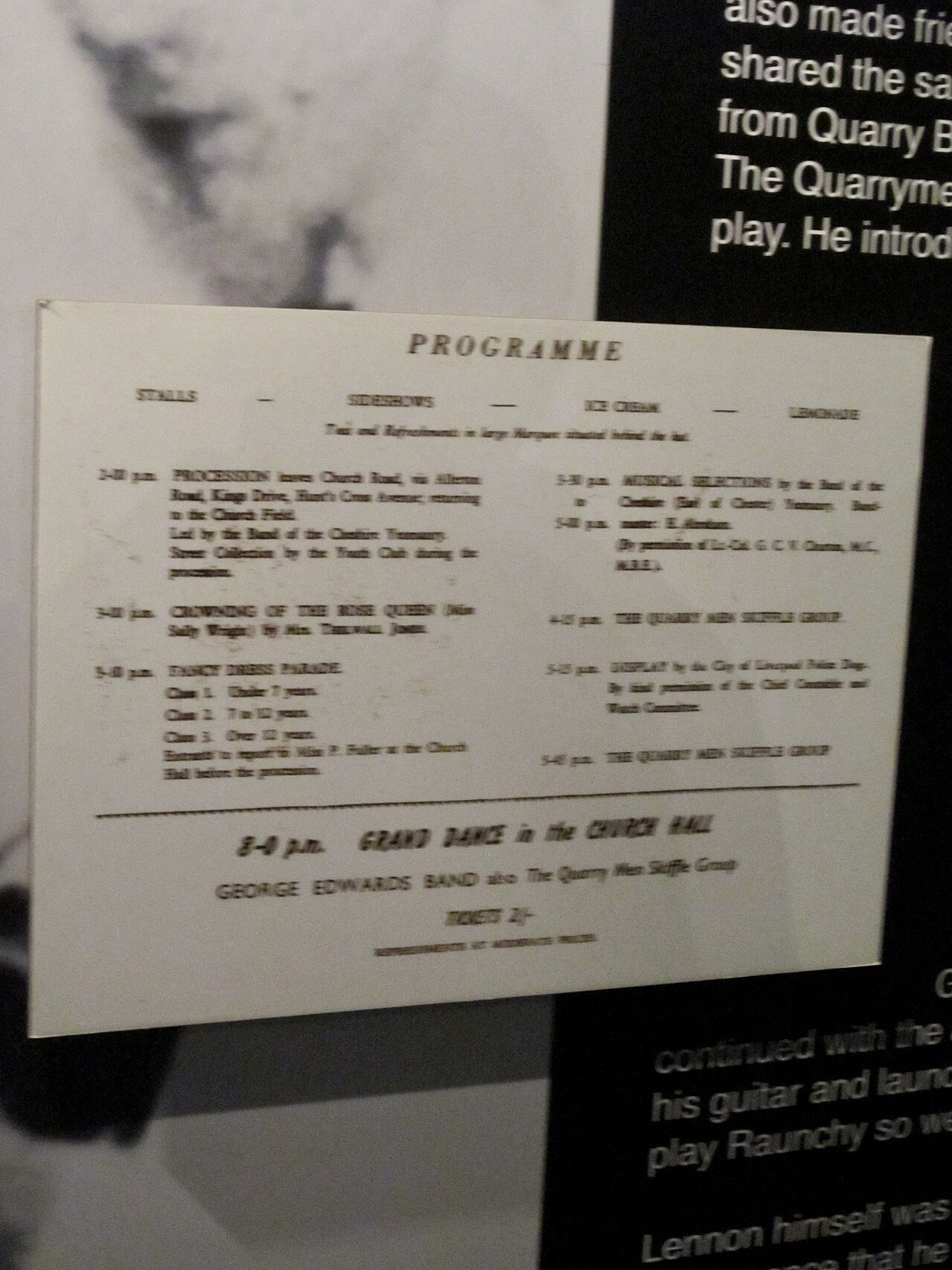
The Quarrymen played with a raw, unpolished energy. They leaned heavily on the skint skiffle traditions of the time. Their sound was much more acoustic and loose than the later Merseybeat era. You can hear the influence of the local skiffle groups in their early arrangements. They were essentially a skiffle band attempting to find their footing in a changing musical world.
The transition to electric instruments changed the sound of these groups. Musicians began replacing acoustic guitars with electric models. They traded the tea-chest bass for electric bass guitars. This shift required new gear and new skills. It changed the way bands approached songwriting and performance.
Gerry and the Pacemakers led this change with immense force. Led by Gerry Marsden, the group transitioned from a single acoustic lineup to a true beat group. They utilized Vox AC30 amplifiers to project a much louder, cleaner sound. They paired these amps with Rickenbacker guitars to achieve a bright, biting tone. This was the sound of the new era.
The electric shift allowed for more melodic complexity. The ringing notes of a Rickenbacker could cut through a noisy room. The Vox AC30 provided a warmth that acoustic instruments lacked. This technological leap transformed the local clubs from skiffle halls into electric powerhouses. The music became more structured and much more aggressive.
"I was just a single kid playing in a church hall, not thinking about the world." - A common sentiment among Liverpool musicians of the 1950s.
The change was not just about the gear. It was about the ambition of the players. They wanted to move beyond the simple rhythms of the hungry tea-chest bass. They wanted the sustain and the bite of the electric guitar. This ambition drove the evolution of the entire Merseybeat movement.
The Casbah Coffee Club Underground
The Casbah Coffee Club offered a starkly different atmosphere from the Cavern. Run by Pete Skelhorn, this venue provided an intimate, avant-garde alternative to the mainstream circuit. It was a place for the outliers and the dreamers. The sound here was often more experimental and less polished than the hits playing on the radio.
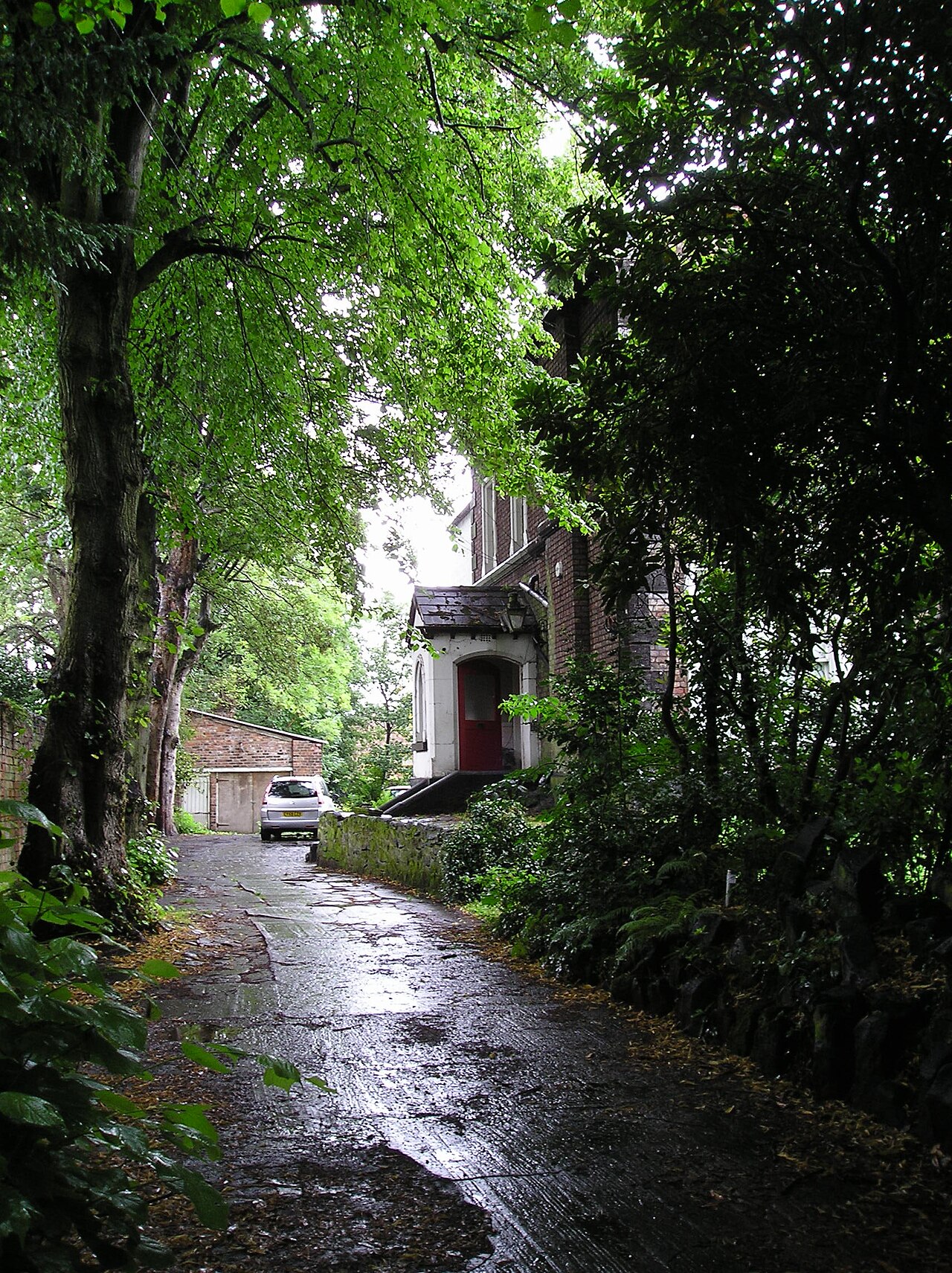
Astrid Kirchherr frequented the Casbah, bringing a touch of the European underground to Liverpool. The club felt like a secret society. It was a space where musicians could push the boundaries of their music. They felt more comfortable experimenting with textures and tempos in this smaller, darker room. It functioned as much more than just a place to play gigs.
The Casbah allowed for a different kind of musical growth. It did not focus on the mass appeal of the Cavern. It prioritized the artistic expression of the players. You could hear more subtle arrangements and more daring vocal choices. The club built a sense of community among the more radical elements of the scene.
The Casbah's influence on the later Beatles era remains significant. It provided a sanctuary for the group during their formative years. The intimacy of the venue forced a focus on the music itself. There were no distractions, only the raw talent of the performers. This environment shaped the early, experimental period of many Liverpool legends.
Skelhorn created a space that felt disconnected from the commercial pressures of the larger clubs. This independence allowed the music to breathe. It allowed for the mistakes and the improvisations that make live music vital. The Casbah was the heartbeat of the Liverpool underground.
The Electric Shift on Bold Street
Bold Street served as the commercial engine for the musical revolution. This street housed the shops that made the electric era possible. Young musicians flocked to these stores to find their new tools. They sought out the latest amplifiers and the brightest guitars. The availability of this gear changed the local sound almost overnight.
The arrival of electric guitars made the skiffle sound obsolete. You no longer needed a washboard to create rhythm. You could use a drum kit and an electric bass. The affordability of these instruments allowed even the poorest musicians to participate. The music became more accessible and more powerful.
The sound of the Liverpool skiffle scene disappeared as these shops flourished. The heavy, percussive scrape of the washboard was replaced by the clean, treble-heavy tones of the electric guitar. This was a fundamental change in the DNA of the local music. It was a move from the organic to the electrified.
Musicians began to crave a specific, polished sound. They wanted the clarity of the electric era. They wanted the ability to play louder and more complexly. The shops on Bold Street provided the means to achieve this goal. They provided the building blocks for the Merseybeat explosion.
This shift was not just about technology. It was about a change in musical identity. The musicians were no longer just playing folk-inspired skiffle. They were becoming rock and roll stars. They were embracing a new, modern sound that looked toward the future rather than the past.
The Abbey Road Transformation
London became the destination for the Liverpool sound. Producer George Martin utilized EMI's Abbey Road Studios to capture the specific Mersey Sound. He understood that this music needed a particular sonic treatment. He focused on clean, treble-heavy guitar tones and prominent percussion. He wanted the records to sound as energetic as the live shows.
The Abbey Road sessions brought a level of professional polish to the raw energy of Liverpool. Martin used the studio's advanced technology to refine the grit. He emphasized the bright, biting guitars that had become the hallmark of the region. The results were records that could compete on a global scale. The music was no longer just a local phenomenon.
Cilla Black recorded her early hits, such as "Anyone Who Had a Heart" (1964), under Martin's direction. These sessions utilized the same session musicians who had played in the Liverpool clubs during the late 1950s. This connection between the club scene and the studio was vital. The musicians brought their live energy directly into the recording booth.
The production was meticulous. Martin understood how to balance the heavy percussion with the melodic vocals. He created a sound that was both polished and powerful. The tracks felt modern and exciting. They captured the essence of the Liverpool sound while making it palatable for a worldwide audience.
Brian Epstein signed The Beatles to an official management contract on November 20, 1961. This date marked the end of the unmanaged era of the Liverpool club circuit. The music was now part of a professional industry. The transition from the tea-chest bass to the Abbey Road studio was complete. The raw, local energy of the skiffle era had transformed into a global phenomenon.
The Liverpool music scene did not just happen. It was a slow, grinding evolution from the docks to the studios. It started with a washboard and a wooden crate. It ended with the most famous band in history. The electric era may have brought the fame, but the skiffle roots provided the soul.