7 Forgotten UK Garage Producers Who Shaped the Decade
London air tasted like ozone and cheap cigarettes in 1995. Pirate radio transmitters perched on high-rise estates in Hackney and Brixton broadcasted signals that bypassed every legal barrier. This illegal frequency carried the raw, unpolished sounds of UK Garage producers long before the mainstream knew how to dance to it. You sat by a transistor radio, waiting for the signal to crackle through the static.
Rinse FM operated from these shifting, clandestine locations across the city. Producers like El-B and Wookie spent late nights in cramped bedrooms, tweaking MPC samplers to find a specific swing. They did not aim for radio play on BBC Radio 1. They aimed for the sweaty dancefloors of clubs like Elephant and Castle. The music lived in the gaps between the FM signals.
US Garage imports provided the initial blueprint, offering smooth tracks with soulful vocals. London producers took those rhythms and stripped them, adding a heavy, London-centric weight that felt more aggressive. This tension created a new, local energy that belonged solely to the UK underground. It mutated New York's soulful house by injecting it with the grit of London's bass culture.
The 1999 compilation Garage Underground captured this specific shift perfectly. It bridged the gap between those polished American imports and the jagged, hungry sounds coming out of London. It showed a genre in the middle of a metamorphosis. One side of the record felt like a warm hug, while the other felt like a punch to the ribs.
The Pirate Radio Roots of London
Rinse FM provided the primary laboratory for this sonic experimentation. This station broadcasted from various transmitters across London in the mid-1990s. It acted as a classroom for a generation of producers. Without these illegal airwaves, the genre would never have mutated into something uniquely British. The signal strength determined the cultural reach of a producer's latest white label.
El-B sat at the center of this development. He understood how to manipulate space and silence within a track. His productions used much more tension than his contemporaries. He focused on the low-end frequencies that could rattle a car stereo in a North London cul-de-sac. His work on the 1998 release "Do You Mind" laid the foundation for what would eventually become grime. He stripped away the warmth to find the skeletal, menacing core of the rhythm.
Wookie brought a different, melodic sensibility to the same pirate aircontroll. He possessed a knack for soulful, syncopated melodies that felt both sweet and street. His tracks moved with a particular limp, a rhythmic swagger that defined the era. You could hear the influence of jazz and soul through the grit of the pirate radio transmission. He used the Akai S-series samplers to chop vocal stabs into something entirely new.
"The swing in UK Garage isn't just about the tempo; it is about the way the percussion avoids the grid."
MC DT worked on various white labels in 19മുണ്ട 1997 with a very specific sonic signature. He utilized the Korg M1 organ sound on almost every production. This bright, percussive and slightly plasticky organ became a staple of the early UKG era. It provided a familiar, melodic anchor for tracks that were otherwise quite experimental. Every kid with a sampler knew that specific sound and tried to replicate its punchy attack.
Toddla T represents the later evolution of this lineage. While people link him to the grime and bass eras, he learned his craft through this same pirate radio tradition. He watched how the previous generation manipulated the airwaves. He understood that the radio was not just a medium, 1990s radio was an instrument in itself. He took the DNA of the pirate era and brought it into the digital age with a heavy emphasis on bass weight.
The technology of the time dictated the aesthetic. Producers relied on the MPC60 and the Atari ST to sequence their beats. These machines had a specific quantization error that contributed to the "swing" everyone chased. If a producer programmed too perfectly to the hyper-accurate grid, the track lost its soul. The errors became the essence of the particular genre.
London was a pressure cooker of sound during these years. Jungle was receding into the shadows of darker breakbeat, leaving a vacuum for something smoother yet more rhythmic. The producers mentioned above filled that space with a cocktail of R&B, house, and dancehall. They used the same tools as the jungle pioneers but applied a completely different rhythmic logic.
The Rise of the 2-step Rhythm
London clubs shifted gears around 1998. The steady 4/4 beat of house music began to feel too predictable for the London underground. Producers started experimenting with removing the kick drum on the second and fourth beats. This created a skipping, nervous energy that forced dancers to move differently. This became the 2-step rhythm.

MJ Cole changed the game with his Sembly EP. He brought a sophisticated, almost classical precision to the 2-step rhythm. His tracks featured skipping snares and heavy syncopation that felt incredibly polished. He proved that garage could be musically complex without losing its club utility. His production felt expensive, even when played on a cheap system in a basement club.
The rhythm felt like a heartbeat that occasionally skipped a beat. It created a sense of tension and release that kept dancers on edge. This sub-genre dominated the clubs by the end of 1998. It was a more controlled, rhythmic evolution of the earlier, more chaotic garage sounds. It allowed for more intricate percussion arrangements and more breathing room for vocals.
The production required immense technical skill. You could not just loop a beat and call it 2-step. You had to place every hi-hat and snare with surgical accuracy to maintain the swing. One misplaced percussion hit would ruin the entire groove. It was a delicate dance of digital timing that demanded mastery over the sampler's swing functions.
The 2-step era coincided with the rise of luxury in the UK club scene. The gritty, dark aesthetics of jungle were being replaced by designer labels and champagne. The music reflected this shift toward a smoother, more polished sound. It was a transition from the warehouse to the lounge, yet the rhythm remained rooted in the street.
Producers used the Roland JV-1080 module to create lush, airy pads. These sounds filled the gaps left by the missing kick drums. The interplay between the heavy sub-HD bass and these shimmering, high-end textures created a sonic depth that few other genres possessed. It was a high-fidelity approach to a low-budget era.
This era also saw the rise of the "vocal garage" phenomenon. While the rhythms became more skeletal, the melodies became more lush. This duality allowed the genre to exist in two worlds simultaneously. It could play in a dark, smoke-filled club in Peckham or on a bright afternoon in a West End shopping mall. That versatility was its greatest strength and eventually its greatest vulnerability.
From Soulful Vocals to the Charts
Commercial success arrived with a sudden, heavy thud in 1999. DJ EZ released his UK Garage compilation on Talkin' Loud Records. This release documented the transition from a pirate radio phenomenon to a mainstream club culture. It brought the underground sounds into the shops and onto the television screens. The genre was no longer a secret held by London residents.
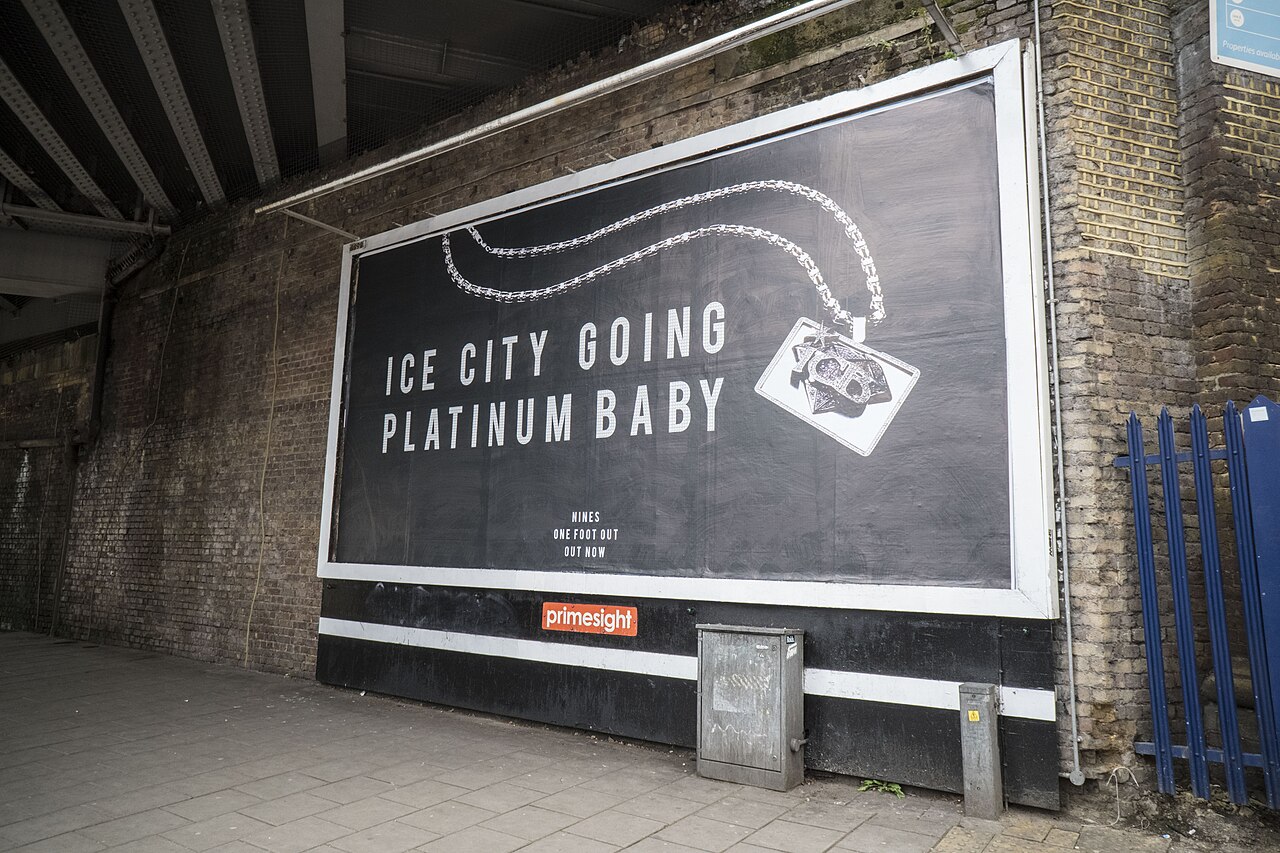

Wookie proved the commercial viability of the soulful side of the genre. His 2000 track "Scrappy" reached number 19 on the UK Singles Chart. It featured heavy, soulful vocals and a production style that felt accessible. This track showed that the garage swing could work on daytime radio. It was a massive moment for the scene, proving the underground could survive the light.
Artful Dodger took this commercial momentum even further. Their 2000 hit "Re-Rewind" featuring Craig David climbed to number 4 on the UK Singles Chart. The track used clean, jazzy Rhodes piano chords that felt smooth and sophisticated. It was a polished version of the underground energy that the whole country could sing along to. It turned the genre into a pop powerhouse.
Craig David's vocals provided the perfect melodic layer for these production styles. He had the R&B sensibility that allowed the tracks to cross over into pop territory. The music felt expensive and glossy. It stripped away some of the grit but replaced it and with a massive, undeniable pop appeal. This was the era of the garage superstar.
The industry noticed the potential of these sounds. Record labels began signing producers who had previously only released white labels. The transition from the underground to the charts happened with incredible speed. It was a period of massive growth and intense pressure for the original creators. Suddenly, the producers who once hid in basements were being chased by A&R reps in suits.
This commercial peak coincided with the peak of the UK's R&B-infused pop era. While the Spice Girls dominated the charts, the garage producers provided the harder, more rhythmic alternative. They bridged the gap between the dancefloor and the Top 40. They made the underground palatable for a global audience without completely losing the London identity.
The pressure to deliver hits changed the studio environment. Producers who once spent weeks perfecting a single bassline were now tasked with churning out radio-friendly anthems. The soul of the music began to fray under the weight of expectation. Even as the charts climbed, the purists in the clubs were beginning to look elsewhere for the next sonic revolution.
The Darker Side of the Underground
MS2, consisting of Mike Speranza and Simon Saunders, operated in a different corner of the scene. They contributed heavily to a darker, dub-influenced garage sound. Their work appeared on influential labels like XL Recordings during the late 1990s. They did not care about the charts or the jazzy Rhodes chords of the 2-step era.
The MS2 sound felt heavier and more menacing. They focused on deep, sub-bass frequencies that rattled the bones. Their productions leaned into the dub heritage of London, using echoes and space to create atmosphere. It was music for the 3 AM crowd, not the daytime radio listeners. It felt much more connected to the jungle and dubstep roots.
This darker movement provided the necessary counterbalance to the pop-heavy 2-step era. While Artful Dodger was playing to the masses, MS2 was keeping the underground's teeth sharp. They used heavy reverb and delay to stretch the percussion, creating a sense of dread. Their tracks felt like they were recorded in an abandoned London Underground station.
The influence of Jamaican sound system culture remained the backbone of this darker sound. The emphasis on the physical sensation of bass was paramount. Producers used the Alesis HR-16 drum machine to create sharp, metallic percussion that cut through the heavy low-end. This was the bridge between the soulful garage of 1997 and the dubstep explosion of 2005.
The late 90s also saw the rise of more aggressive, syncopated sub-genres that drifted toward what we now call Grime. This wasn't about smooth vocals; it was about stripped-back, aggressive rhythms. The darkness of MS2 provided the blueprint for this evolution. They proved that the garage template could be used to express tension, anger, and urban decay.
The era ended with a sense of fragmentation. The genre had grown too large to remain a single, cohesive movement. The pop producers went toward the charts, while the innovators moved toward the darker, more experimental edges of bass music. The shared DNA remained, but the paths had diverged permanently.
The legacy of these producers remains in every heavy bassline heard in a London club today. They built a foundation that resisted the polished sheen of mainstream pop. They taught a generation how to find rhythm in the broken and the syncopated. The swing they perfected in those cramped bedrooms still drives the pulse of the city.