
In 2011, Björk performed a career-risking maneuver that most pop stars would find suicidal. She abandoned the traditional album format. She did more than release a collection of songs. She released a suite of interactive digital applications. This move bypassed standard CD or vinyl release cycles, opting instead for a fragmented, software-based delivery through the App Store. While the industry struggled to understand the death of the album, Björk built a new one from code and biological data. Biophilia did not merely exist as music. It functioned as a living, breathing ecosystem of sound and science.
The Digital Ecosystem of Biophilia
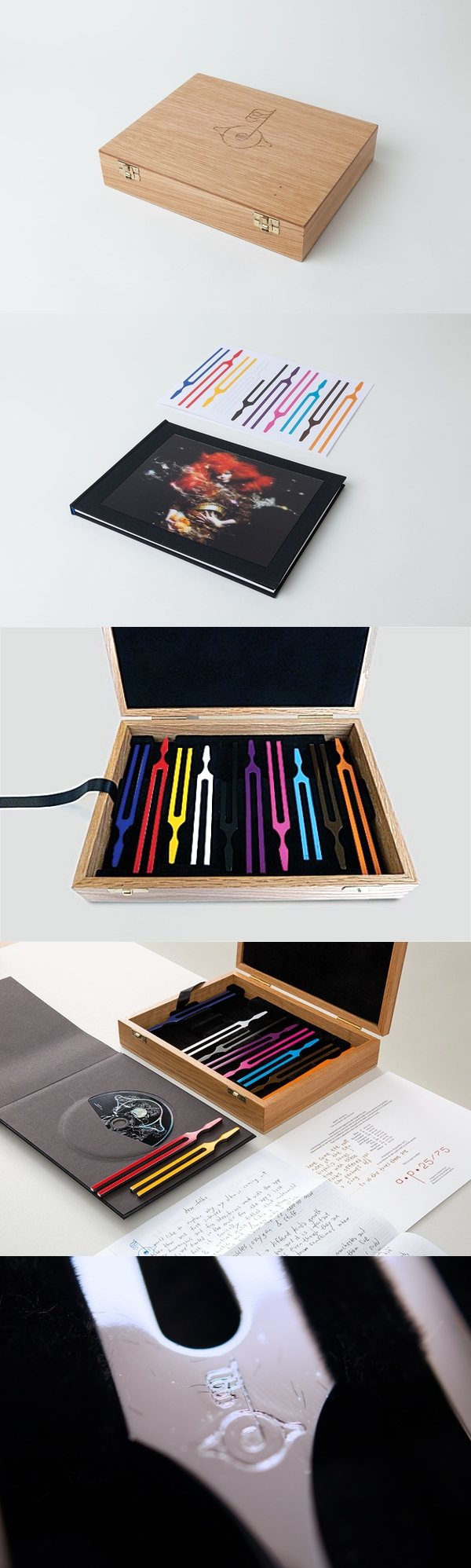
The digital distribution of Biophilia challenged every existing metric of success in the music industry. Most artists in 2011 viewed the smartphone as a mere playback device, a way to listen to MP3s on the go. Björk viewed the smartphone as an instrument. By releasing the album as a series of interconnected apps, she forced the listener to participate in the creation of the sonic experience. You did not just press play. You manipulated gravity, moved celestial bodies, and triggered musical sequences through touch-screen interfaces. This method turned the listener into a conductor. It turned the album into a laboratory.
This fragmentation of the album format risked alienating the casual listener. You could not simply sit back and let the tracks wash over you. You had to engage with the interface. However, this high level of interaction drove the album to number 1 on the UK Albums Chart. That achievement proved that audiences would follow an artist into radical territory if the experience felt meaningful. The apps allowed for a single moment of intimacy that a standard CD could never provide. Each app focused on a specific natural phenomenon, linking the biological processes of Earth to the digital architecture of the software. The music lived within the technology.
The release format reflected a deeper obsession with the intersection of nature and technology. Björk saw no contradiction between the organic world and the digital one. She used the tools of the silicon age to mimic the rhythms of the natural world. The apps functioned as micro-worlds. Within each one, the listener encountered a specific scientific concept expressed through melody and movement. This approach turned the act of listening into an act of discovery. It removed the barrier between the observer and the hyper-specific subject. The technology did not distance the listener from the music; it embedded them directly into its core.
Capturing Seismic Shifts with Hydrophones
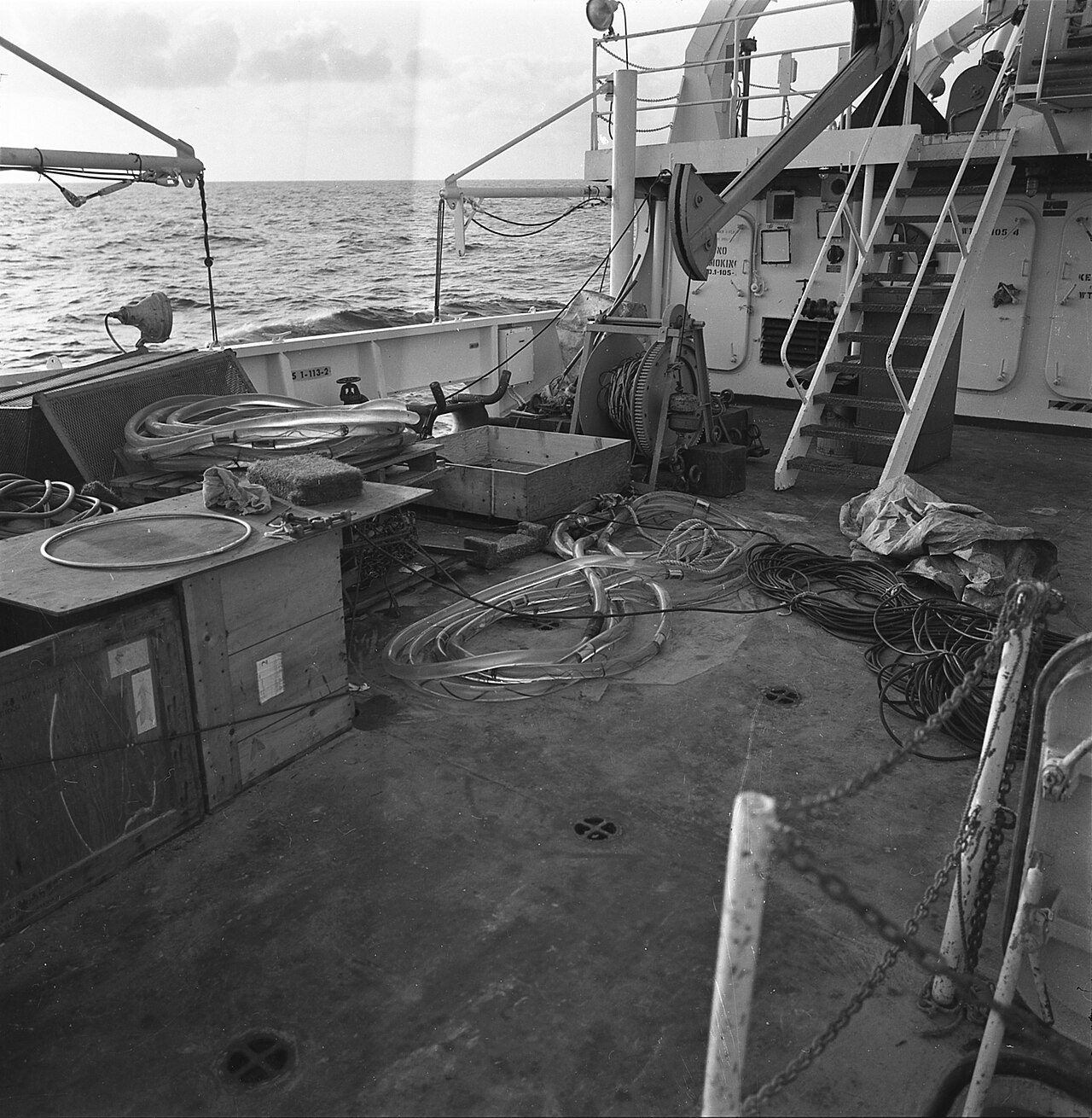
The sonic DNA of Biophilia contains sounds that most humans will never hear with their own ears. The production team utilized specialized hydrophones to descend into the crushing depths of the ocean. These underwater microphones captured the visceral, low-frequency vibrations of the deep sea. They recorded the seismic activity of the ocean floor. They recorded the slow, grinding movement of tectonic plates. These are not sounds that exist in the air. They are sounds that exist as pressure, as physical weight, as a vibration felt in the marrow of the bones.
Björk integrated these geological recordings into the very fabric of the album's arrangements. The tracks do not just feature these sounds as ambient texture. The songs respond to them. The rhythmic structures of the percussion mirror the irregular, heavy pulses of underwater geological shifts. The production team sought out the sounds of marine life, capturing the clicks, whistles, and groans of creatures living in total darkness. This inclusion of non-traditional sound sources gave the album a sense of immense scale. It grounded the digital synthesizers in the heavy, physical reality of the Earth's crust.
Critics recognized this technical feat immediately. Pitchfork, among others, praised the album's use of these natural, non-traditional sound sources. The reviewers understood that Björk was not just using samples for aesthetic flair. She was using them as structural elements. The hydrophone recordings provided a sense of biological truth to the electronic arrangements. When you hear the low rumble of a tectonic shift, you feel the ancient, indifferent power of the planet. The album captures the sound of the Earth breathing, even if that breath sounds like a crushing, metallic groan.
This recording process required immense technical precision. Capturing sound under extreme pressure demands specialized equipment and a deep understanding of acoustic physics. The team had to navigate the challenges of signal degradation and the immense interference of water density. Yet, the result sounds clear. The hydround recordings pierce through the electronic layers, providing a haunting, organic counterpoint to the custom-built synthesizers. The album sounds like a collision between the prehistoric and the futuristic.
Custom Instruments and Gravity Harpsichords
Björk refused to rely solely on the standard toolkit of the modern studio. She demanded instruments that could express the specific scientific themes of the album. This led to the creation of custom-cut instruments, most the gravity harpsichord. This was not a mere gimmick. The instrument used the physical laws of gravity to dictate its melodic and rhythmic output. It transformed the fundamental mechanics of physics into musical notation. The notes did more than happen. They fell. They were subject to the same forces that govern the planets and the tides.
The use of such specialized instruments fundamentally altered the album's sonic toolkit. A standard harpsichord or piano carries certain cultural baggage and predictable timbres. A gravity harpsichord, however, carries the weight of the physical universe. It sounds different because it functions differently. The production team worked to ensure that these custom instruments felt integrated with the electronic textures. They blended the mechanical clicking of the harpsichord with the digital pulses of the apps. This created a unified soundscape where the distinction between the man-made and the natural blurred entirely.
Every instrument on Biophilia serves a purpose. The percussion mimics the erratic patterns of biological life. The strings evoke the fluid, sweeping motions of oceanic currents. Even the synthesizers, despite their digital origin, utilize waveforms that mimic organic oscillations. Björk approached the studio like a composer approaching a laboratory. She did not just write melodies; she engineered soundscapes. The custom instruments provided the necessary physical texture to make the abstract scientific concepts feel tangible.
This commitment to physical, tactile sound prevented the album from feeling like a sterile, electronic experiment. There is a certain grit to the record. There is a sense of friction. The gravity harpsichord provides a sharp, percussive edge that cuts through the more fluid, ambient sections. This tension between the sharp and the smooth, the mechanical and the organic, defines the listening experience. The instruments do not just play notes. They enact physical processes.
The Weightless Sonic Space of "Moon"
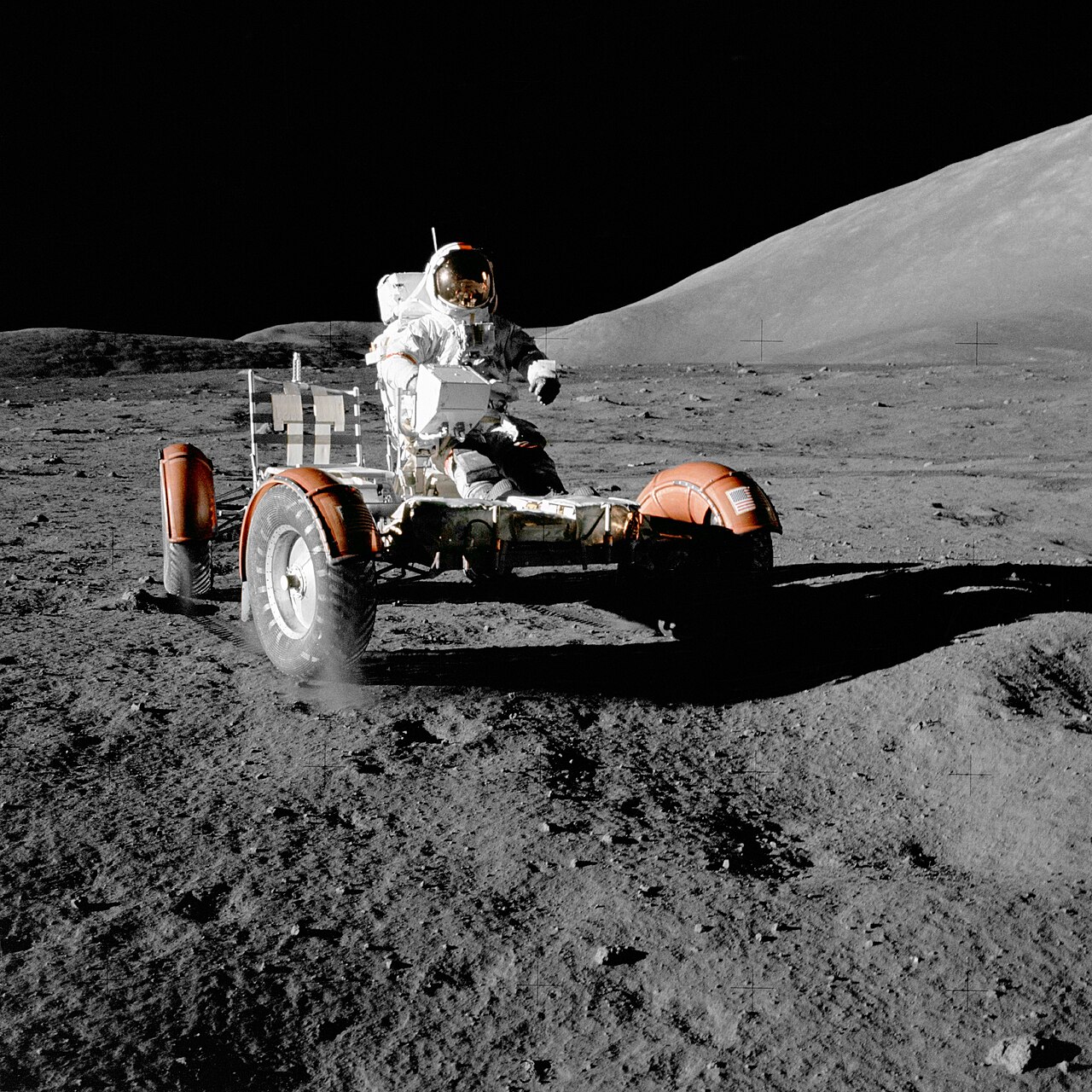
The track "Moon" serves as the emotional and atmospheric center of the album's exploration of scale. In this piece, Björk achieves a specific, haunting texture designed to evoke the weightlessness of both space and deep-sea environments. The track lacks the heavy, driving percussion found elsewhere on the record. Instead, it floats. It drifts. The arrangement utilizes airy, suspended chords that seem to hang in the air without any clear gravitational anchor. It mimics the sensation of being suspended in the abyss or drifting through a vacuum.
The lyrics reinforce this sense of isolation and suspension. The vocal performance remains restrained, almost whispered, as if the singer is afraid to disturb the silence of the void. The production uses reverb and delay to create a sense of immense, empty space. There is no sense of a floor or a ceiling. The listener feels caught in a medium that is neither liquid nor gas, but something entirely new. This track demonstrates the album's ability to move from the crushing pressure of the ocean floor to the absolute emptiness of the lunar surface.
The sonic textures in "Moon" rely heavily on the interplay between the digital and the organic. High-frequency, crystalline synth lines dance around the edges of the track, mimicking the light of distant stars. Beneath this, a low, pulsing drone provides a sense of the underlying cosmic radiation. It is a delicate balance. If the production became too heavy, the sense of weightlessness would vanish. If it became too thin, the track would lose its connection to the physical reality of the universe. Björk manages this balance with extreme care.
The track functions as a bridge between the biological and the celestial. By using the same sonic language to describe the deep sea and outer space, Björk suggests that the same laws of physics govern both. The weightlessness of the deep ocean, where pressure and buoyancy negate the feeling of gravity, mirrors the zero-gravity environment of space. "Moon" is the sonic manifestation of this scientific truth. It is a piece of music that exists in the overlap between two unrelated environments.
Why the Experiment Still Matters
Years after its release, Biophilia remains a radical achievement. We live in an era where the distinction between digital and physical reality has almost entirely collapsed. We interact with the world through screens and sensors every hour of every day. Björk anticipated this shift. She did not fear the screen; she used it to expand the boundaries of what an album could be. Her experiment with interactive apps predicted the current era of immersive, multi-platform media. She understood that the future of music lay in the engagement, not just the consumption.
The album also remains a vital piece of environmental commentary. By bringing the sounds of tectonic plates, marine life, and the ocean floor into the pop sphere, she forced a confrontation with the geological reality of our planet. The album does not lecture the listener about ecology. It simply presents the sounds of the Earth. It makes the deep, hidden processes of our planet audible. This makes the environmental crisis feel much more personal. You cannot ignore the sound of the Earth moving when it is part of your favorite track.
Musically, Biophilia is a masterclass in technical integration. Many artists attempt to blend science and music, but few succeed with such structural integrity. The way the hydrophone recordings, the custom instruments, and the digital interfaces all serve a single, unified theme is rare. It is a cohesive work of art that resists easy categorization. It is not electronic music, and it is not classical music. It is something entirely its own.
The legacy of Biophilia is found in every artist today who uses technology to expand their sonic boundaries. It proved that innovation does not have to come at the expense of accessibility. You can reach number 1 on the charts while using gravity-driven harpsichords and underwater microphones. You can disrupt the industry and still create something beautiful. Björk showed us that the most profound way to explore the future is to listen closely to the ancient, hidden rhythms of the past.



Loading comments…